| Deliverables |
Description |
| Latrines |
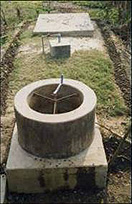
Families are encouraged to construct a latrine attached to the biogas digester. The addition of human waste to the process will increase gas production by 15-20%. It will also improve local sanitation, hygiene, and reduce the incidence of disease. |
| Reduction in pollution |
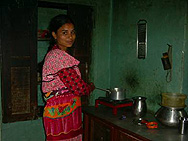
Kitchen smoke is the main factor in indoor air pollution. By using the new biogas fueled stoves, indoor air pollution is dramatically reduced. |
| Lower incidence of disease |
Installing latrines and biogas fueled stoves will lower the incidence of common diseases such as eye infections, respiratory disease, smoked induced coughs; diarrhea; dysentery and parasites among both adults and children |
| Improved agricultural yields |
Applying bio-slurry, the byproduct of biogas production will improve soil fertility and increase agricultural output. A side benefit is reduced use of chemical fertilizers, saving money and the environment. |
| Employment creation |
Construction of the biogas plants generates both part time and full time work. BSP estimates that for every 100,000 plants, about 10,000 masons, laborers and other employees are permanently employed. |
| Timesaving for women |
Fuel wood collection is an exhausting, time consuming exercise. BSP estimates that women save three hours daily per household using biogas for cooking versus cooking with collected fuel wood. The saved time is used for activities both at home such as child-care and outside the home, such as literacy training, or participation in community organizations. |
| Reduction in firewood consumption |
The biogas fuel for cooking has resulted in reduced pressure on native forests for fuel wood. Users' survey data indicates that household fuel wood consumption was reduced by about 50% in both the Hill and Terai regions of Nepal following installation of biogas plants. |